ETG Calculator (Earnings to Goal)
Set Your Earning Target
Note: This calculator provides estimates only and does not account for expenses or taxes — enter your target as a net (after-tax) figure.
Mastering Your Money: By Using the ETG Calculator
Setting a financial goal is easy; the hard part is figuring out exactly how to get there without burning out. Whether you're saving for a dream vacation, a new car, or an emergency fund, the "how" usually boils down to a single question: How much do I need to earn every day to make this happen?
This is where the ETG Calculator (Earnings to Goal Calculator) becomes your best friend. Instead of looking at a massive, intimidating number, this tool breaks your ambitions down into bite-sized, daily actions — and now accounts for what you've already earned and how many days a week you actually work.
What is an ETG Calculator?
An Earnings to Goal Calculator is a simple yet powerful personal finance calculator designed to bridge the gap between your current bank balance and your future aspirations. By inputting a target amount, a timeframe, and what you've already earned toward it, the calculator provides you with the specific daily, weekly, and monthly earnings required to hit that mark.
In the world of financial goal calculators, the ETG model is unique because it focuses on income generation rather than just savings growth. It helps you visualize your progress, making even the loftiest goals feel achievable.
The ETG Formula
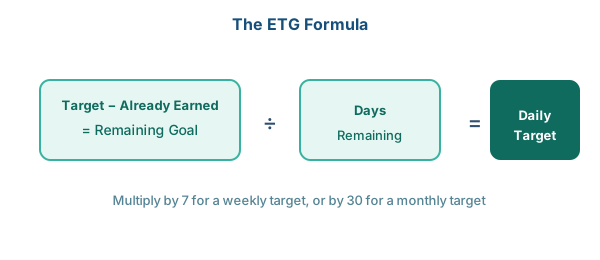
Step-by-Step Guide: How to Use an Online ETG Calculator
- Set Your Target Amount: Enter the total sum of money you want to accumulate (e.g., $3,000 for a laptop fund).
- Enter What You've Already Earned: Optional — if you've already saved part of the goal, this shrinks your remaining target.
- Define Your Time Period: Enter the number of days you have to reach this goal.
- Set Your Working Days per Week: If you don't earn every single day, this adjusts your per-working-day target accordingly.
- Calculate: Review the daily, weekly, and monthly breakdown to see if it aligns with your current income.
Example Scenario
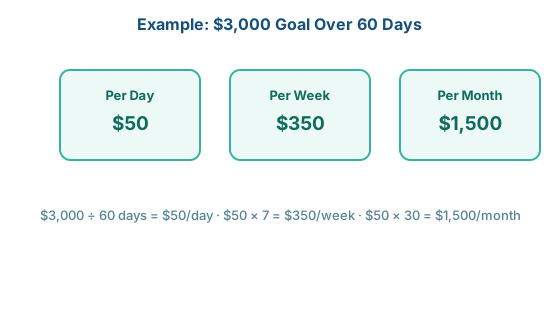
The Goal: A freelance designer wants $3,000 for a new laptop in 60 days.
- Target: $3,000
- Timeframe: 60 days
The Result: The designer needs to earn $50 per day (above normal living expenses) to reach the goal on time.
Why Timeframe and Progress Both Matter
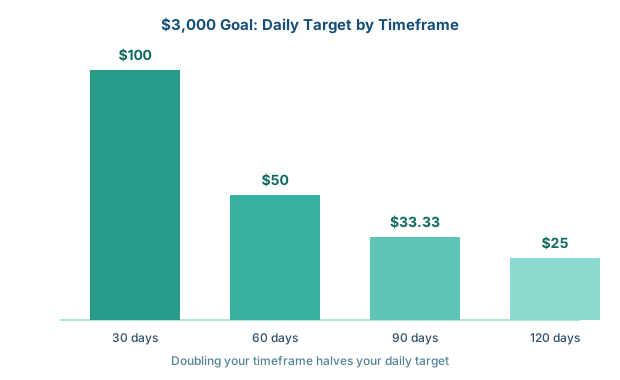
Two levers change your daily number more than anything else: how much time you give yourself, and how much you've already put toward the goal. Extending your deadline lowers the daily number fast — doubling your timeframe halves it.
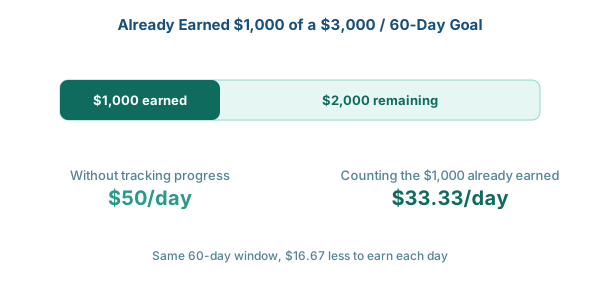
Tracking what you've already earned toward the goal has a similar effect — it directly lowers what's left to hit.
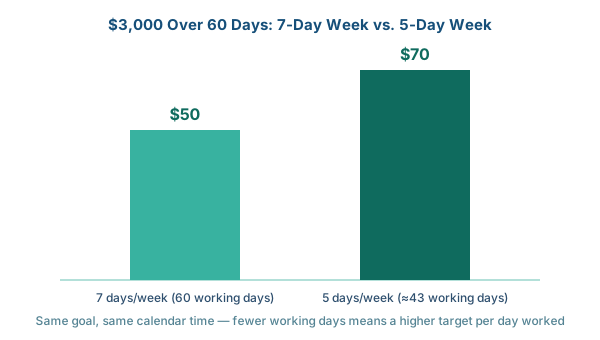
Why "Working Days" Matters More Than "Calendar Days"
If you plan to take weekends off, dividing by calendar days understates how much you actually need to earn on the days you do work. This calculator's "Working Days per Week" setting corrects for that.
Benefits of Using an ETG Calculator
Common Use Cases
- Freelancers: Determine how many projects or "gigs" you need to accept this month to cover taxes and savings.
- Students: Calculate how much to earn from a part-time job during the semester to afford a spring break trip.
- Small Business Owners: Set daily sales targets for your team to ensure the business hits its quarterly revenue milestones.
- Employees: Calculate how much "side hustle" income is needed to pay off a specific debt within a year.
Tips and Best Practices for Financial Success
- Be Realistic: Don't set a daily target that requires you to work 20 hours a day. Sustainability is key.
- Account for Expenses: The "earnings" calculated should be surplus income — what's left after rent, food, and bills are paid.
- Track Progress Weekly: Life happens. Update the "Already Earned" field regularly so your daily target stays accurate.
- Use the "Buffer" Method: Add 10% to your target amount to account for unexpected costs or transaction fees.