What Is a Diabetes Risk Calculator?
A diabetes risk calculator is an educational tool that turns a handful of well-known type 2 diabetes risk factors — age, BMI, family history, activity level, blood pressure, and fasting glucose — into a single indicative score. It doesn't replace lab testing; it's a way to see, in seconds, how your current numbers compare to common risk patterns and whether it's worth booking a proper screening.
Type 1 vs. Type 2 Diabetes — Why This Tool Focuses on Type 2
Type 1 diabetes is an autoimmune condition that usually appears in childhood or young adulthood and isn't predicted by lifestyle risk factors, so a risk-factor calculator like this one doesn't apply to it. Type 2 diabetes, by contrast, develops gradually and is strongly linked to the exact factors this calculator asks about — age, excess weight, inactivity, high blood pressure, family history, and elevated fasting glucose — which is why risk calculators like this one are built around type 2.
How the Score Is Calculated
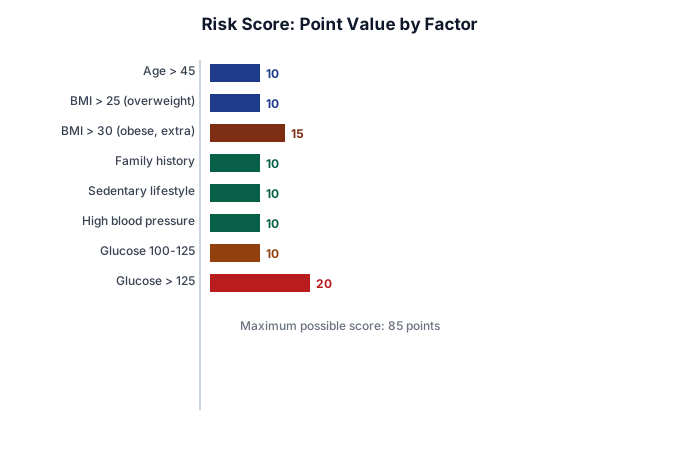
Each answer adds points to a running total, capped at 85 points:
| Factor | Condition | Points |
|---|---|---|
| Age | Over 45 | 10 |
| BMI | Over 25 (overweight) | 10 |
| BMI | Over 30 (obese, additional) | 15 |
| Family history | Yes | 10 |
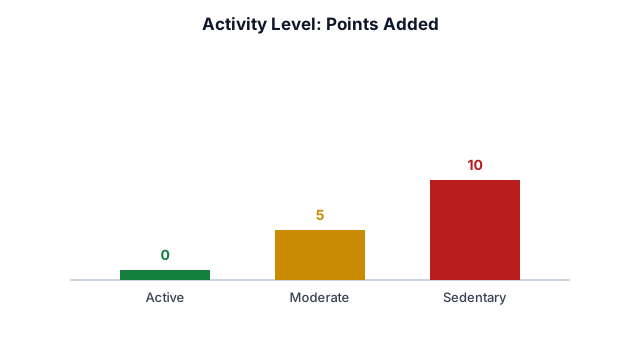
| Activity level | Moderate / Sedentary | 5 / 10 |
| Blood pressure | High | 10 |
| Fasting glucose | 100–125 mg/dL | 10 |
| Fasting glucose | 126 mg/dL or above | 20 |
Your total lands in one of three bands: 0–10 Low Risk, 11–25 Moderate Risk, 26–85 High Risk.
Worked Example
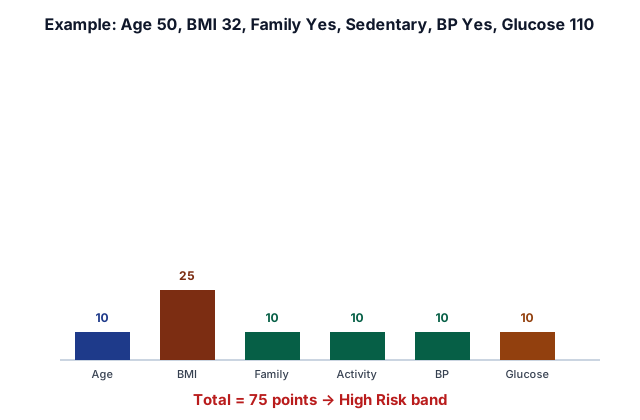
Age 50, BMI 32, family history yes, sedentary, high blood pressure yes, fasting glucose 110 mg/dL:
10 (age) + 25 (BMI) + 10 (family) + 10 (activity) + 10 (blood pressure) + 10 (glucose) = 75 points → High Risk.
Understanding BMI's Role in Your Score
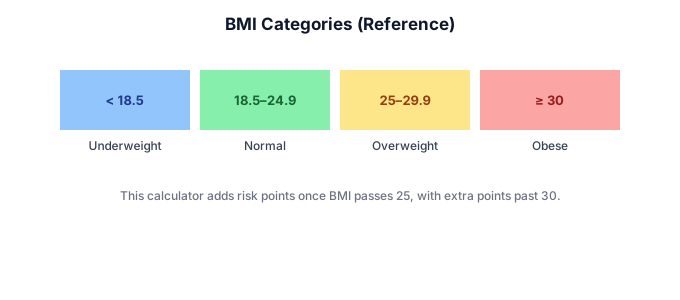
BMI is one of the biggest swing factors in this calculator because obesity is one of the strongest known contributors to type 2 diabetes risk. A BMI from 25 to 29.9 is classified as overweight; 30 and above is classified as obese — and this calculator adds extra points once you cross that 30 line.
Understanding Your Fasting Glucose Reading
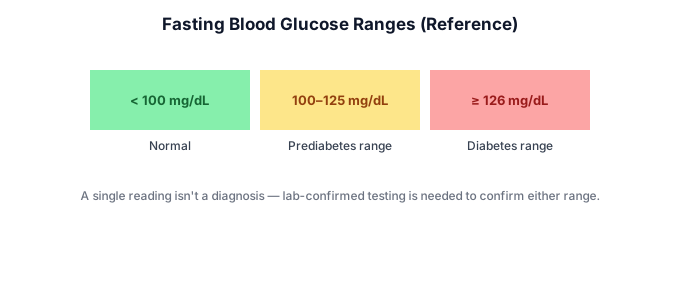
If you have a recent fasting glucose reading, adding it sharpens the estimate. A fasting reading under 100 mg/dL is considered normal, 100–125 mg/dL falls in the prediabetes range, and 126 mg/dL or above falls in the diabetes range — though a single reading is never diagnostic on its own; it needs to be confirmed by a lab test ordered by a clinician.
Why Activity Level Matters
Regular physical activity improves insulin sensitivity, which is why a sedentary lifestyle adds points here while an active lifestyle adds none.
How to Use This Calculator
- Enter your age and BMI (use our BMI Calculator first if you don't know it).
- Select your family history, activity level, and blood pressure status.
- Optionally enter a recent fasting glucose reading.
- Click Calculate Risk to see your score, risk band, and gauge instantly.
- Click Clear to reset the fields for a new calculation.
Lifestyle Steps That Lower Real-World Risk
- Move more: even light daily activity improves insulin sensitivity over time.
- Watch weight trends: gradual, sustained weight loss has the strongest evidence behind it for lowering type 2 diabetes risk in people who are overweight.
- Get blood pressure checked regularly: hypertension and type 2 diabetes risk are closely linked.
- Ask about screening if you have a family history: family history isn't something you can change, but it's a reason to test earlier, not a reason to worry needlessly.
- Don't rely on a single glucose reading: ask your doctor about an A1C test for a fuller picture.
Frequently Asked Questions
What is a diabetes risk calculator?
A diabetes risk calculator is an educational tool that estimates your likelihood of type 2 diabetes risk factors being present, based on inputs like age, BMI, family history, activity level, blood pressure, and fasting glucose. It gives an indicative score, not a medical result.
Can this calculator diagnose diabetes?
No. Diabetes can only be diagnosed with lab-confirmed blood tests ordered by a healthcare professional, such as a fasting plasma glucose test, A1C test, or oral glucose tolerance test. This tool is for awareness and education only.
What do the Low, Moderate, and High risk levels mean?
They are simplified bands based on your total point score from common risk factors. This is not a validated clinical scoring system like the ADA or FINDRISC questionnaires — treat it as a starting point for a conversation with your doctor, not a clinical result.
Why does BMI affect my score more once it passes 30?
A BMI over 25 is classified as overweight and a BMI of 30 or above is classified as obese. Obesity is associated with substantially higher type 2 diabetes risk, so this calculator adds extra points once BMI crosses the 30 threshold.
Is entering my fasting glucose reading required?
No, it's optional. Adding a recent fasting glucose reading makes the estimate more specific, since readings from 100 to 125 mg/dL and readings of 126 mg/dL or above add points to the score. Leave it blank if you don't have a recent reading.
What should I do if I get a High Risk result?
Treat it as a signal to book an appointment with a healthcare professional for proper testing, not as a diagnosis. Don't start or change any medication based on this tool's result.