Zakat Calculator
Work out your zakatable wealth and the Zakat you owe, based on the gold or silver nisab threshold.
Zakat Calculator
Zakat Calculator: The Complete Guide
Zakat is one of the Five Pillars of Islam — an obligatory act of charity for those whose wealth meets a minimum threshold. This calculator helps you work out your zakatable wealth and the amount due, using commonly cited figures.
What Is Zakat?
Zakat is a mandatory annual contribution, generally calculated as 2.5% of a Muslim's zakatable wealth, provided that wealth meets two conditions: it is at or above the nisab threshold, and it has been held for one full lunar year (known as the hawl).
What Is Nisab?
Nisab is the minimum amount of wealth a person must have before Zakat becomes obligatory. It's traditionally defined using one of two standards:
- Gold standard: the value of 87.48 grams of gold
- Silver standard: the value of 612.36 grams of silver
Scholars differ on which standard to apply. Because silver is generally worth less than gold per gram, the silver standard results in a lower nisab threshold — meaning more people become liable for Zakat, and more support reaches those in need. Many scholars recommend using the silver standard for this reason, though the gold standard is also commonly used. This calculator lets you choose either one.
How to Use This Calculator
- Enter your assets: cash, gold and silver you own, business inventory, investments, and money owed to you.
- Subtract debts you owe that are due now.
- Enter current gold and silver prices per gram — these are used both to value any gold/silver you hold and to calculate the nisab threshold.
- Choose a nisab standard — gold or silver.
- Click "Calculate Zakat" to see your total zakatable wealth, the nisab threshold, and your Zakat due if you're above it.
Example:
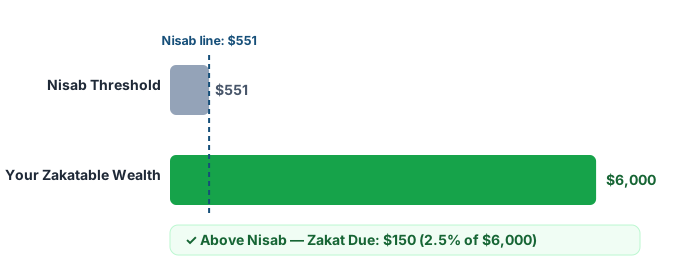
Total zakatable wealth: $6,000
Silver price: $0.90/gram → Nisab (silver standard) = 612.36 × 0.90 ≈ $551
Since $6,000 is above the $551 nisab:
Zakat due = 6,000 × 2.5% = $150
What Counts as Zakatable Wealth?
Generally included: cash and bank savings, gold and silver (including jewelry, according to some schools of thought), business inventory intended for sale, tradeable investments and shares, and money you're confidently owed. Typically excluded: your primary residence, personal vehicles, and everyday household items not held for trade.